
Introduction:
Twenty Nights of Longing: When Elvis Presley Turned Heartbreak into Timeless Echoes
There are certain recordings that do not simply pass through the ears—they linger, settle, and quietly unfold over time. Elvis Presley – Twenty Days And Twenty Nights is one of those rare pieces. It belongs not to the loud, dazzling side of Elvis’s career, but to the more introspective, emotionally grounded period where his voice carried the weight of experience rather than youthful rebellion.
By the time Elvis recorded this song, he was no longer just the electrifying figure who shook stages and defined a generation. He had matured—both as an artist and as a man. That maturity is woven deeply into every note of “Twenty Days and Twenty Nights.” The song itself tells a story of absence, longing, and quiet suffering. It speaks of days that stretch endlessly and nights that feel heavier with each passing hour—a universal feeling that requires no explanation, only recognition.

What makes this performance particularly compelling is not just the lyrics, but the restraint in Elvis’s delivery. He does not overreach. He does not dramatize. Instead, he allows the emotion to breathe naturally, giving listeners the sense that they are hearing something personal rather than performed. There is a subtle weariness in his tone, a kind of emotional honesty that cannot be manufactured. It is this quality that has allowed the song to endure, resonating with listeners who understand that heartbreak is often quiet, not loud.
The arrangement complements this mood beautifully. Gentle instrumentation supports rather than dominates, allowing Elvis’s voice to remain at the center. The pacing is deliberate, almost reflective, as if each line is being considered before it is sung. This creates a sense of intimacy—a feeling that the listener is not simply hearing a song, but being invited into a private moment.
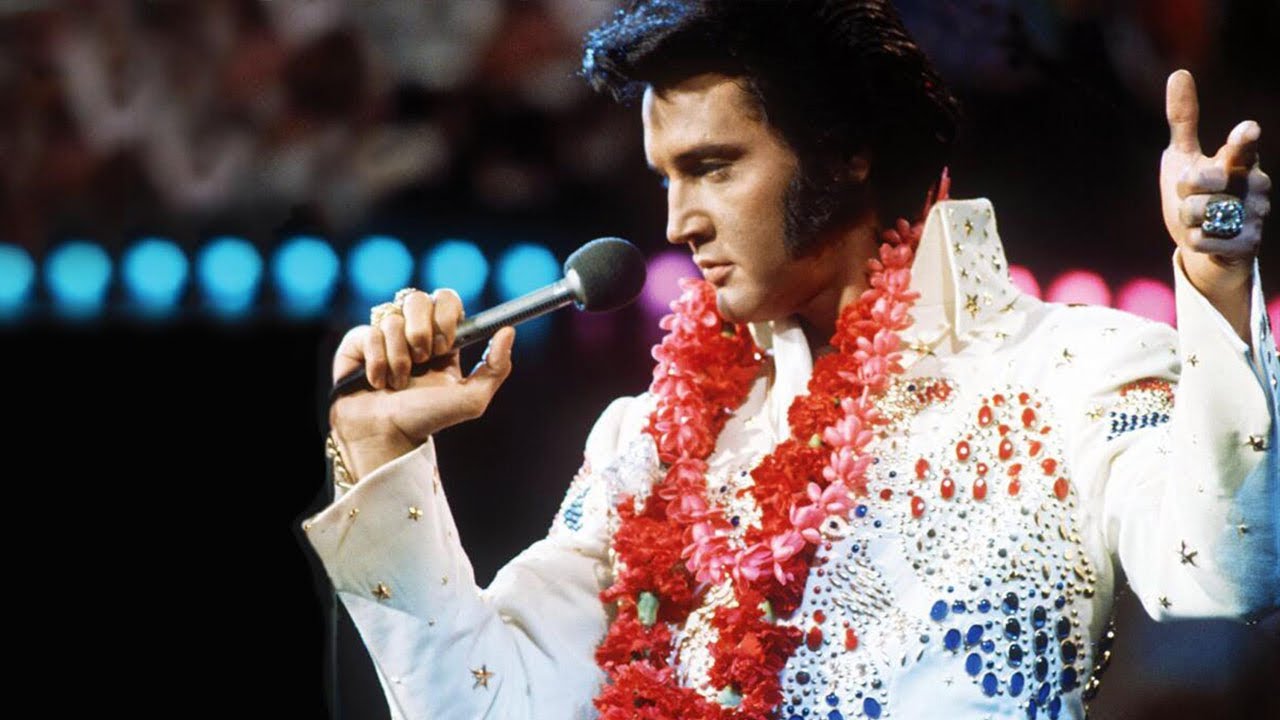
For older audiences, especially those who have lived through their own seasons of separation or loss, “Twenty Days and Twenty Nights” carries a deeper meaning. It is not just about missing someone; it is about the passage of time and how emotion can stretch it, distort it, and make it feel heavier than it truly is. Elvis captures that sensation with remarkable clarity.
In the broader scope of his career, this song may not be as widely celebrated as his more iconic hits, but it stands as a testament to his versatility. It reminds us that Elvis Presley was not only a performer of great energy, but also a storyteller capable of conveying the most delicate shades of human feeling.
Listening to this song today is like opening a letter written decades ago—its ink slightly faded, but its message still unmistakably clear. And in that quiet, reflective space, Elvis’s voice continues to remind us that some emotions never truly fade—they simply wait for the right song to bring them back.