Introduction:
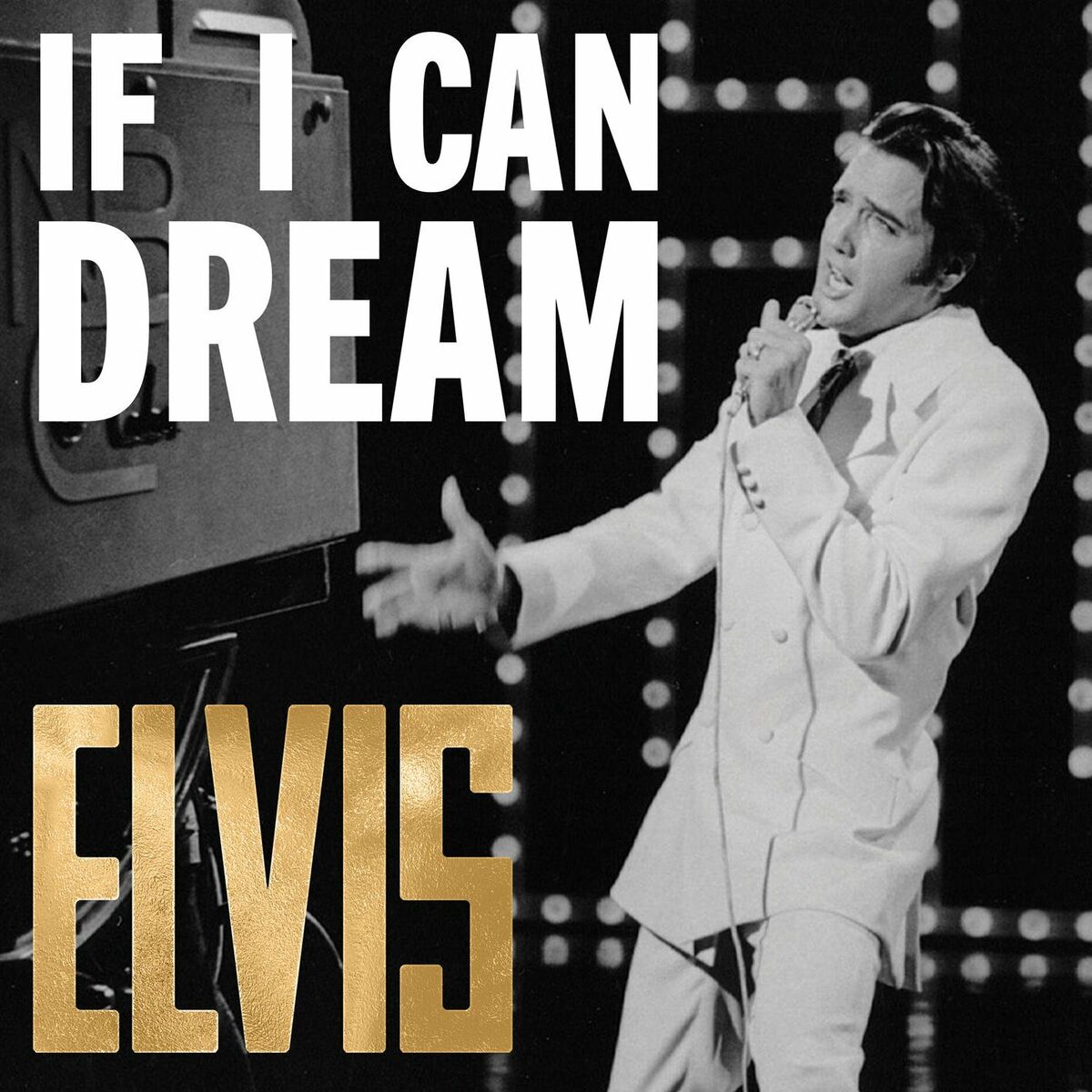
When Hope Refused to Fade: The Timeless Power of Elvis Presley – If I Can Dream
There are songs that entertain, and then there are songs that stand as declarations—moments in time when music becomes something greater than melody. Elvis Presley – If I Can Dream belongs firmly in the latter category. It is not merely a performance; it is a statement of longing, conviction, and quiet defiance wrapped in one of the most passionate vocal deliveries ever recorded.
Released during a period of deep social unrest in the late 1960s, the song carries a weight that still resonates today. By the time Elvis stepped onto the stage to perform it, he was no longer just the electrifying young star who once shook the foundations of popular music. He had become something more reflective, more grounded—a man who understood both the power of his voice and the responsibility that came with it. And in this song, that awareness is unmistakable.

From the very first note, there is a sense of urgency. The arrangement builds slowly, almost reverently, allowing the listener to settle into its emotional landscape. Then Elvis begins to sing—not with the playful charm of his early hits, but with a depth that suggests something deeply personal. His voice trembles at times, rises with determination at others, and ultimately soars with a kind of restrained intensity that feels both controlled and profoundly sincere.
What makes Elvis Presley – If I Can Dream so enduring is not only its musical composition, but its message. The lyrics speak of hope in the face of hardship, of belief in a better future even when the present feels uncertain. There is no bitterness here, no anger—only a steady, unwavering insistence that change is possible. It is this quiet strength that gives the song its lasting impact.

For listeners who have followed Elvis throughout his career, this performance often feels like a turning point. It reveals an artist willing to step beyond the expectations placed upon him, to embrace material that challenges both himself and his audience. It also reminds us that great performers are not defined solely by their fame, but by their willingness to evolve and to speak to the times in which they live.
Even decades later, the song retains its emotional clarity. New generations may discover it under different circumstances, yet its message remains unchanged. It continues to offer comfort, inspiration, and a reminder that even in moments of uncertainty, the human spirit has a remarkable capacity to endure.
In the end, Elvis Presley – If I Can Dream is more than a song—it is a reflection of a moment when music dared to reach for something higher. And in doing so, it ensured that its voice would never truly fade.