Introduction:
A Forgotten Echo of Humanity: Rediscovering the Quiet Power Behind a Bee Gees Deep Cut
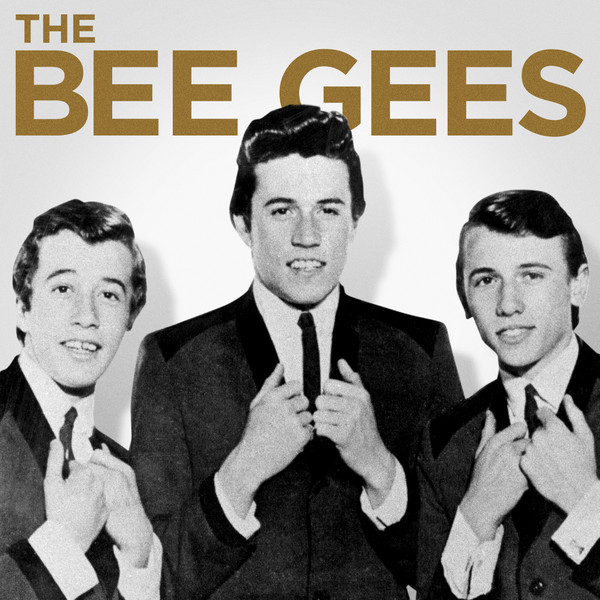
There are songs that conquer the charts, and then there are songs that quietly linger in the shadows, waiting patiently for the right listener to come along and truly hear them. Bee Gees – Second Hand People belongs firmly in the latter category—a composition that may not have dominated radio waves, yet carries a depth and resonance that speaks profoundly to the human condition.
When we think of the Bee Gees, the mind often drifts toward their glittering disco era—songs filled with falsetto brilliance and infectious rhythm. But long before the flashing lights of Saturday Night Fever, there existed a more introspective, almost fragile dimension to their music. “Second Hand People” is a shining example of that earlier artistry, when their songwriting leaned heavily on emotional storytelling and poetic reflection.
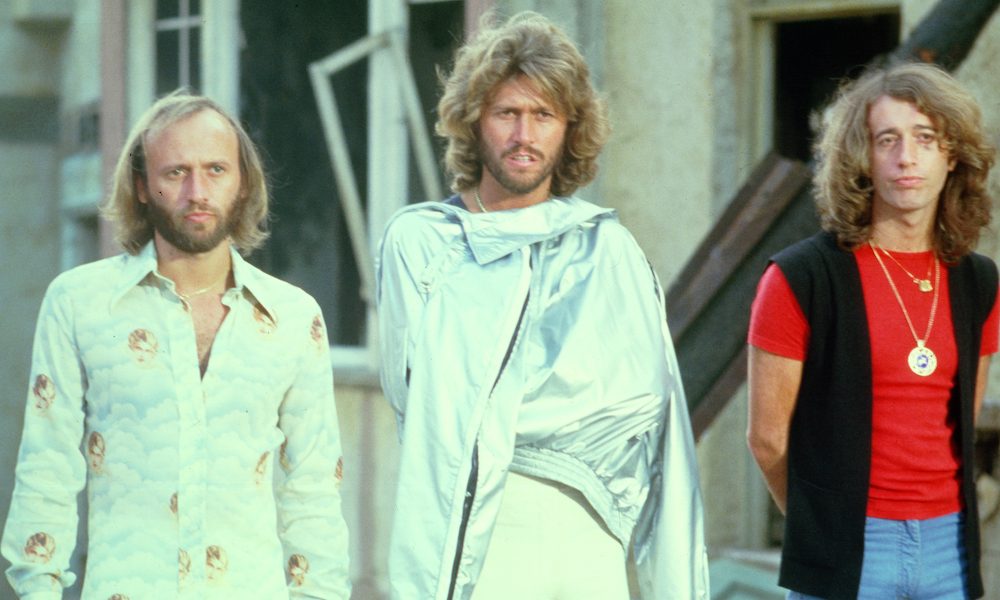
From the very first notes, the song introduces a mood that feels both intimate and reflective. It doesn’t demand attention; instead, it invites you in quietly, like an old friend sharing a story over a late evening conversation. The arrangement is understated, allowing the lyrics to take center stage—a hallmark of the Bee Gees’ early work, where melody and meaning walked hand in hand.
Lyrically, “Second Hand People” explores themes that remain timeless: identity, self-worth, and the often painful realization of feeling overlooked or undervalued. The phrase itself—“second hand people”—evokes a sense of being passed over, of living in the margins rather than the spotlight. It’s a concept that resonates deeply, particularly with listeners who have ever felt like they were living in someone else’s shadow or struggling to define their own place in the world.
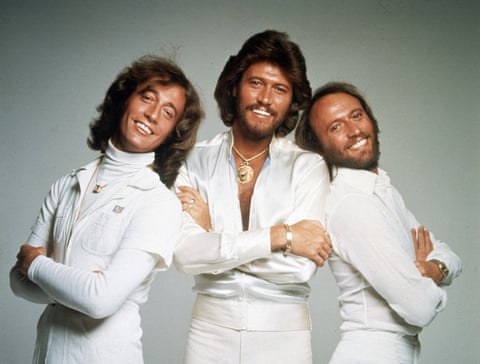
What makes the song particularly compelling is its sincerity. There is no pretense here, no attempt to dress up the message with grandeur. Instead, the Bee Gees offer something far more enduring: honesty. Their harmonies, even in this subdued setting, carry an emotional weight that elevates the song beyond its simple structure. It’s a reminder of their remarkable ability to communicate complex feelings with clarity and grace.
For older listeners, especially those who have followed the Bee Gees across decades, “Second Hand People” feels like a return to roots—a glimpse into a time when music was less about spectacle and more about substance. It carries the gentle melancholy of an era when songs were crafted with patience, and when every lyric had a purpose.
In revisiting Bee Gees – Second Hand People, one discovers not just a song, but a quiet meditation on what it means to be seen, to be valued, and ultimately, to find dignity in one’s own story. It may not be the Bee Gees’ most celebrated work, but in many ways, it is among their most human.