
Introduction:
THE UNTOLD VIGIL: Nancy Rooks and the Hidden Final Hours of Elvis Presley
For more than four decades, the world has largely accepted a single, sorrowful narrative surrounding the death of Elvis Presley—a story shaped by isolation, excess, and quiet decline within the ornate walls of Graceland. Yet before her passing, Nancy Rooks offered a deeply personal account that challenges this long-held perception. Her testimony does more than add detail; it restores humanity to a legend too often reduced to myth. In her eyes, Elvis was not a man surrendering to collapse, but one quietly searching for renewal—a final, fragile “reset.”
Nancy Rooks entered Graceland not through fame or fortune, but through quiet perseverance. Hired in 1967 as a temporary cleaner, her unwavering dedication quickly earned the trust of Vernon Presley, who asked her to remain. Over the next decade, she became an integral part of the private life within Graceland’s gates. More than a staff member, she was a constant presence—the one preparing Elvis’s late-night meals, often simple Southern comforts like fried pickles and cornbread, and the one who witnessed the man behind the global icon.
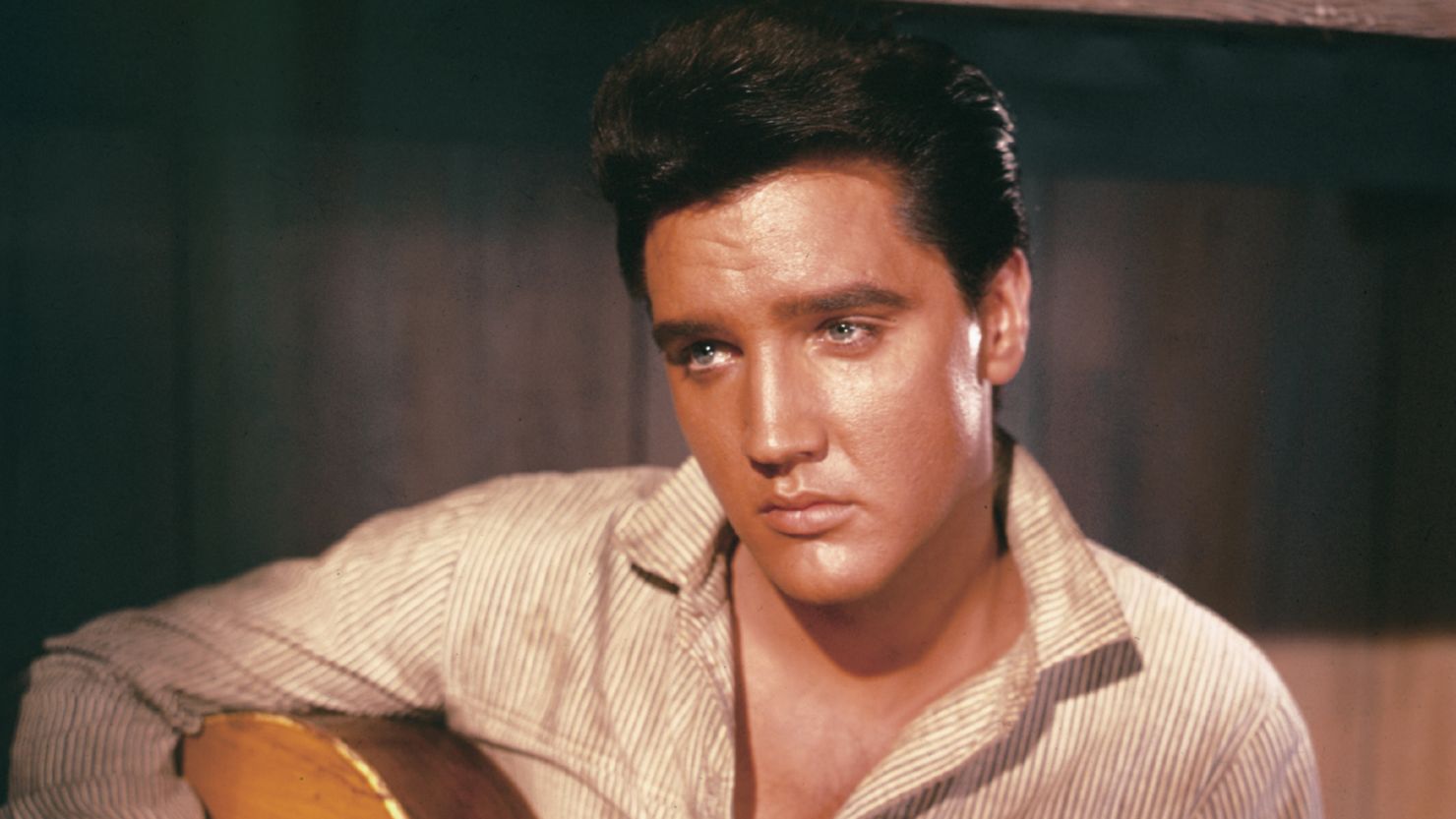
What Nancy saw was not the electrifying performer who commanded stages, but a deeply human figure navigating exhaustion and solitude. She remembered him in quiet moments—dressed in robes, his hair unkempt, asking for peach cobbler with a boyish simplicity. “I saw how tired he looked when the crowd was gone,” she once reflected. In the stillness of night, Elvis would sometimes invite Nancy and his beloved grandmother, Minnie Mae Presley, into the kitchen to sing hymns together. These were not performances, but acts of solace—expressions of a spirit seeking peace rather than applause.
Perhaps the most haunting detail Nancy revealed centers on the early morning of August 16, 1977. Contrary to the image of a man already overcome, she recalled Elvis returning from a game of racquetball—fatigued, yet present. When offered food, he declined. Instead, he asked for something simple: water. What followed struck everyone in the room. He drank with an urgency that felt unusual, even alarming. “I ain’t never knowed him to drink water like he drank it that morning,” another staff member reportedly observed. In hindsight, that quiet moment—so ordinary on the surface—feels weighted with meaning. It was the last simple act of care Nancy would offer him before he walked upstairs for the final time.
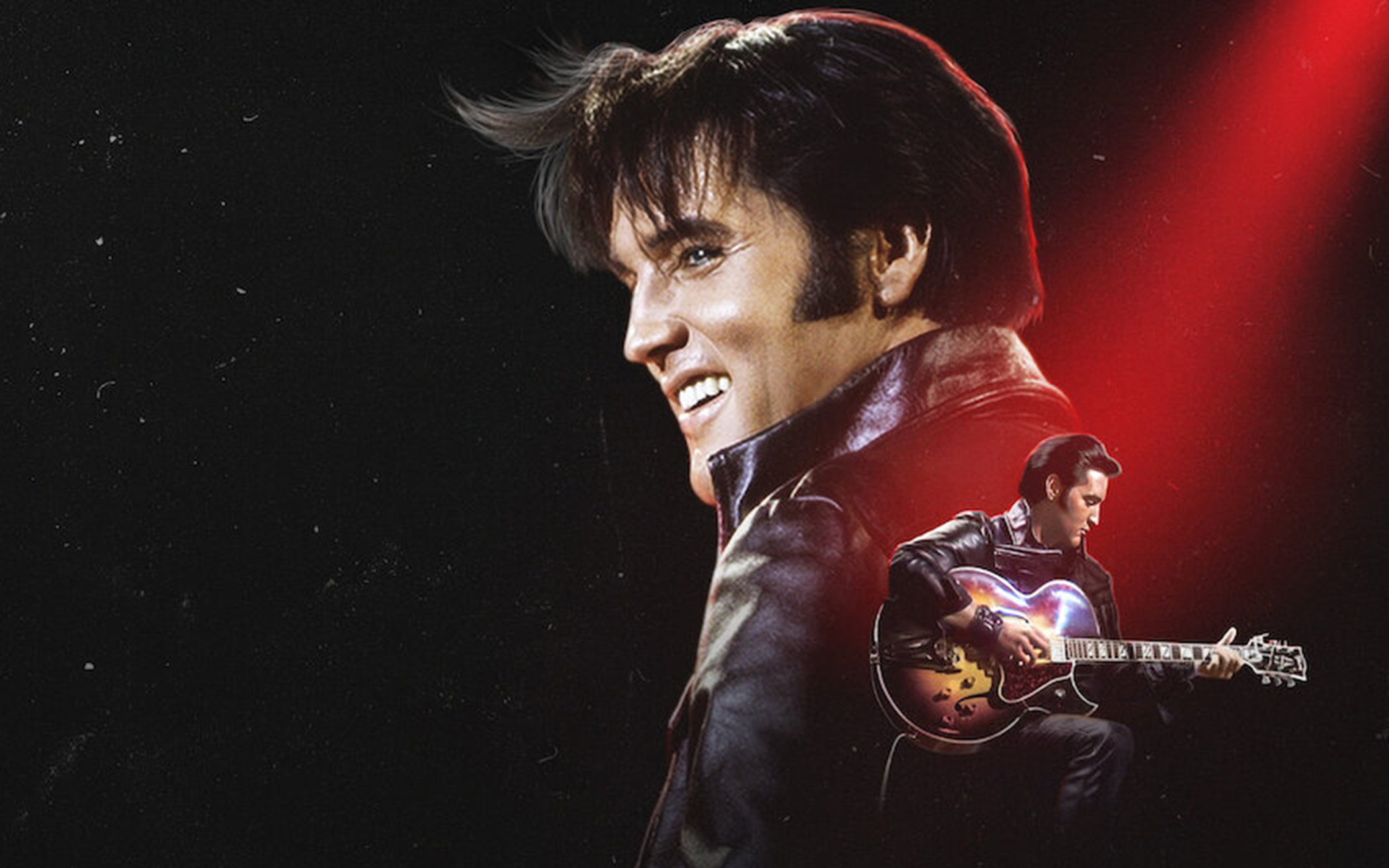
In her later reflections, Nancy spoke not of a man resigned to his fate, but of one caught in circumstances beyond his control. She believed Elvis was “being managed” rather than truly supported, surrounded by individuals who relied on his fame more than they protected his well-being. Just days before his passing, he asked her a question that lingered long after: “Do you believe people can start over?” It was not the voice of surrender, but of longing.
He spoke of escape—of leaving behind the noise, the expectations, and the weight of his own legend. The books found near his bedside, focused on health and transformation, reinforced Nancy’s belief that he had not given up. Instead, he was searching—perhaps desperately—for a path forward.
Nancy Rooks’s account leaves us with a haunting possibility. What if Elvis Presley was not a fallen king, but a man standing at the edge of reinvention? In her memories, we find not just the final hours of a legend, but the quiet resilience of a human being who, even in his last moments, had not stopped trying to begin again.