
Introduction:
In the long and legendary career of Elvis Presley, there were countless hit songs, unforgettable performances, and cultural moments that helped define modern music. He was more than a singer—he was a phenomenon, a symbol of rock and roll, fame, and American pop culture. Yet among the thousands of recordings he made throughout his career, one song continues to stand apart—not because it was the loudest or most commercially dominant, but because it may have been the most deeply personal.
That song was Always On My Mind.
And the story behind its recording continues to captivate listeners more than half a century later.
By 1972, Elvis was no longer the rebellious young star who once electrified television audiences. Though still immensely popular, performing regularly and selling records, his personal life had grown increasingly complicated. His marriage to Priscilla Presley was unraveling after years of emotional strain, distance, and the pressures of global fame. Their relationship, always lived under intense public scrutiny, had reached a breaking point.
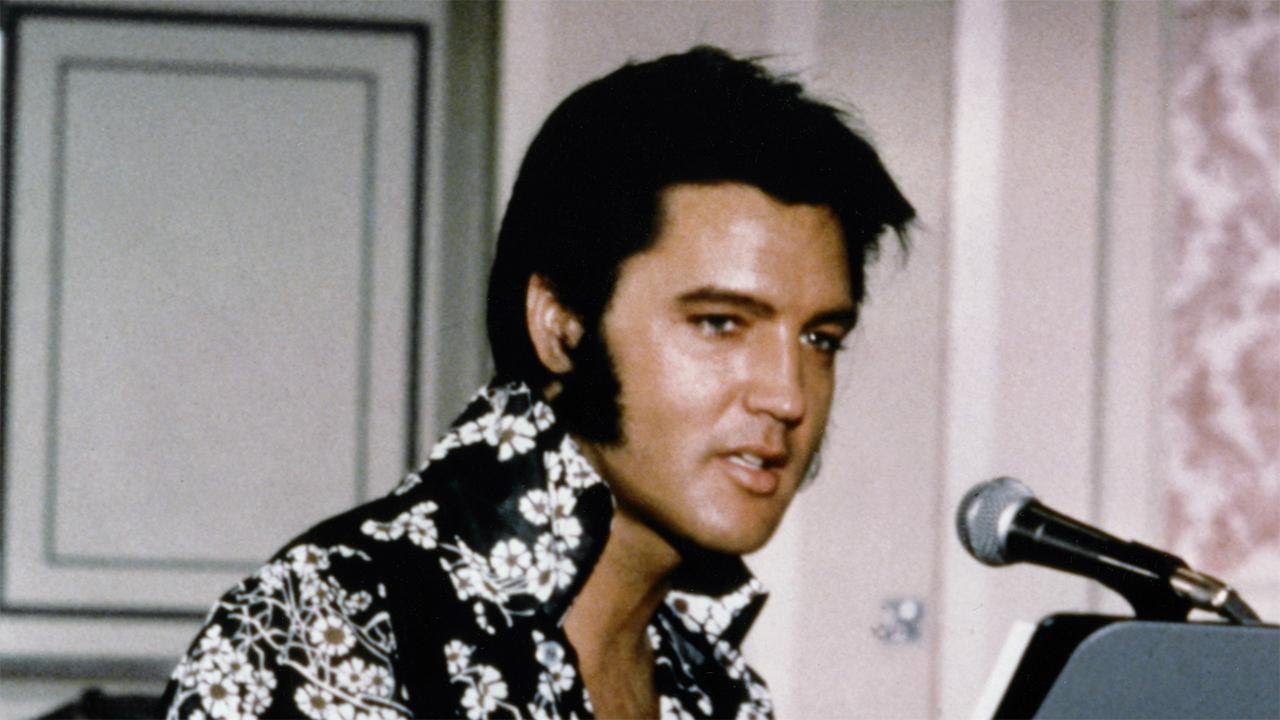
In early 1972, Priscilla left Graceland, marking the emotional end of their marriage. For Elvis, the separation was quietly devastating. He rarely spoke publicly about his pain, but those close to him noticed a change—he became more introspective, more subdued.
Just five weeks later, Elvis entered a Hollywood studio to record a song written by Wayne Carson. At the time, it seemed like just another routine session. Yet what unfolded in that room would become one of the most emotionally significant recordings of his career.
When Elvis began singing “Always On My Mind,” something shifted. Known for his charisma and spontaneity, he approached this performance with an unusual stillness and focus. The lyrics told a story of regret—a man realizing too late that he had failed to fully appreciate the one he loved.
As Elvis delivered lines of apology and reflection, those present sensed that this was more than a performance. It felt intimate, almost confessional. Fans later connected the timing: recorded mere weeks after Priscilla’s departure, the song seemed less like a standard recording and more like a deeply personal message set to music.
Yet Elvis himself never confirmed that interpretation. He offered no public explanation, leaving the meaning open to speculation. And perhaps that silence made the performance even more powerful.
Behind the image of the “King of Rock and Roll” was a man navigating loneliness, pressure, and regret. By the early 1970s, fame had become isolating. Though surrounded by people, Elvis often seemed emotionally distant. His separation from Priscilla—his longtime companion and the mother of his daughter, Lisa Marie—left a profound impact.
In recording “Always On My Mind,” Elvis revealed a rare vulnerability. It was a moment where the audience could hear not the icon, but the man beneath the legend.
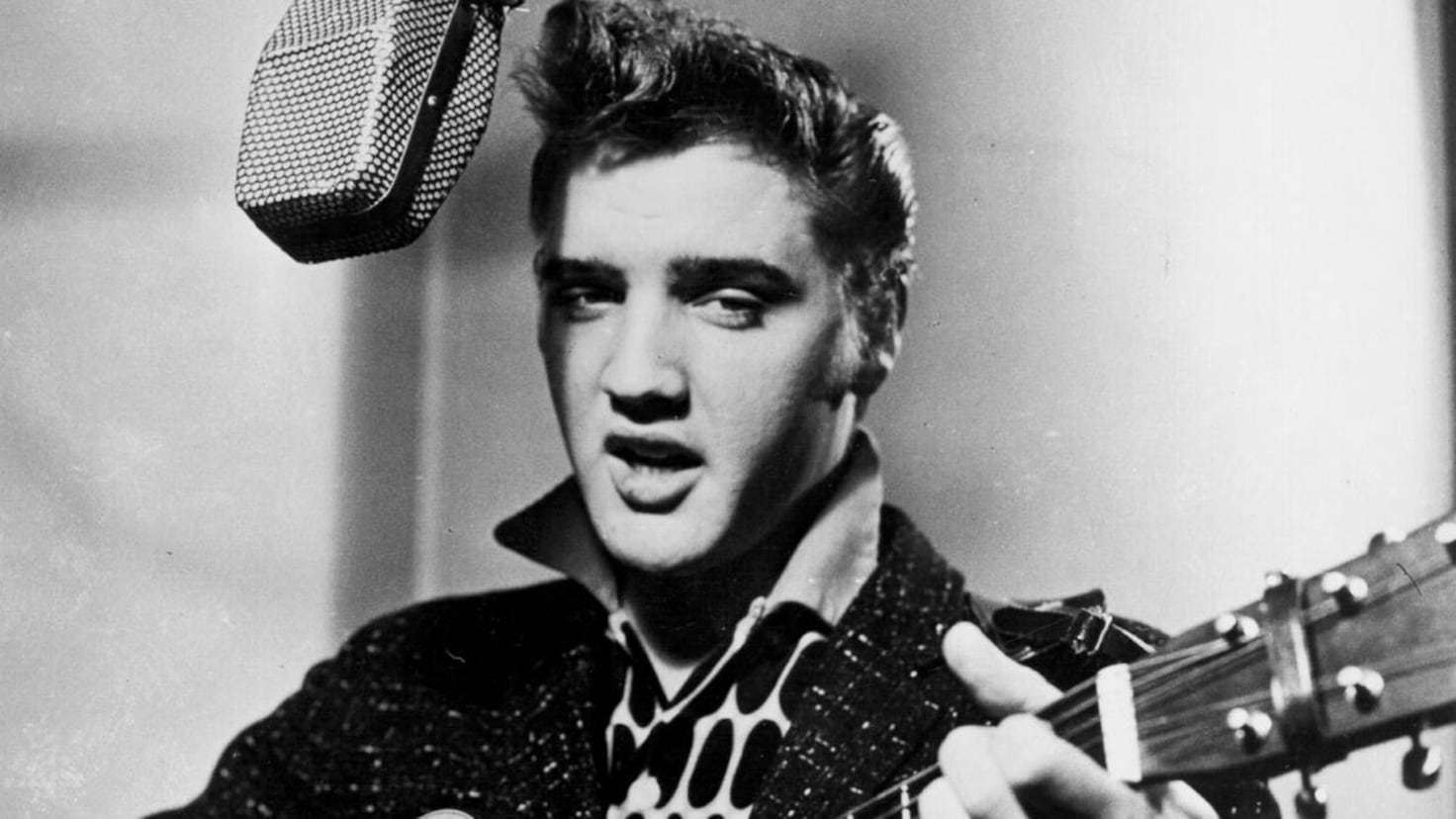
Decades later, the song continues to resonate with listeners. Not because of its production or arrangement, but because of the unmistakable sincerity in Elvis’s voice. There is a softness, a quiet sorrow that feels authentic—something fragile and deeply human. Music historians frequently cite this recording as one of his most emotionally honest performances.
Interestingly, the song was not originally written for Elvis. Other artists had recorded it before him, and later versions—including those by Willie Nelson—would achieve great success. Yet many believe Elvis’s rendition carries a unique emotional weight, shaped by the precise moment in his life when he recorded it.
Sometimes, a song finds its true meaning not in its lyrics alone, but in the life of the artist who sings it.
Perhaps the most compelling aspect of this story is what remains unsaid. Elvis never publicly linked the song to Priscilla, never framed it as an apology. He simply recorded it and moved forward.
But in that silence lies its enduring power.
Because when listeners hear “Always On My Mind,” they don’t just hear a song. They hear reflection, longing, and the quiet ache of missed chances. They hear a man looking back on love and time he could never reclaim.
And that is why, more than 50 years later, the recording still lingers—not just as music, but as a moment of truth captured forever in a single, unforgettable performance.