
Introduction:
A Love That Waited in Silence: The Gentle Power Behind a Forgotten Elvis Gem
There are moments in music when even the most celebrated voices choose restraint over grandeur—when emotion is not shouted, but quietly revealed. One such moment lives within Your Love’s Been A Long Time Coming, a song recorded by Elvis Presley during a period when his artistry was deepening beyond the bright lights of fame. It is not among his most commercially dominant releases, yet for those who truly listen, it holds a kind of emotional gravity that few songs can replicate.
Your Love’s Been A Long Time Coming is not built on spectacle. Instead, it leans into patience—the kind that only time and reflection can cultivate. From the very first note, there is a sense that this is not a young man’s impulsive declaration of love, but rather the voice of someone who has lived, waited, and perhaps even doubted whether such love would ever arrive. Elvis approaches the song with remarkable subtlety, allowing the melody to breathe while his voice carries a quiet conviction that feels deeply personal.

What makes this performance so compelling is not technical brilliance alone—though Elvis certainly delivers with precision—but the sincerity embedded in every phrase. His voice, matured by years of experience, carries a softness that contrasts beautifully with the emotional weight of the lyrics. There is no urgency here, no need to impress. Instead, there is acceptance, even a hint of gratitude, as if love has finally found its way after a long and uncertain journey.
For listeners who have followed Elvis across the decades, this song offers a different kind of connection. It strips away the image of the global icon and reveals something far more intimate: a man capable of vulnerability, of quiet reflection, and of expressing love not as a fleeting passion, but as something earned over time. In many ways, it reflects a broader evolution in his music—a shift from youthful energy to a more contemplative, enduring emotional depth.
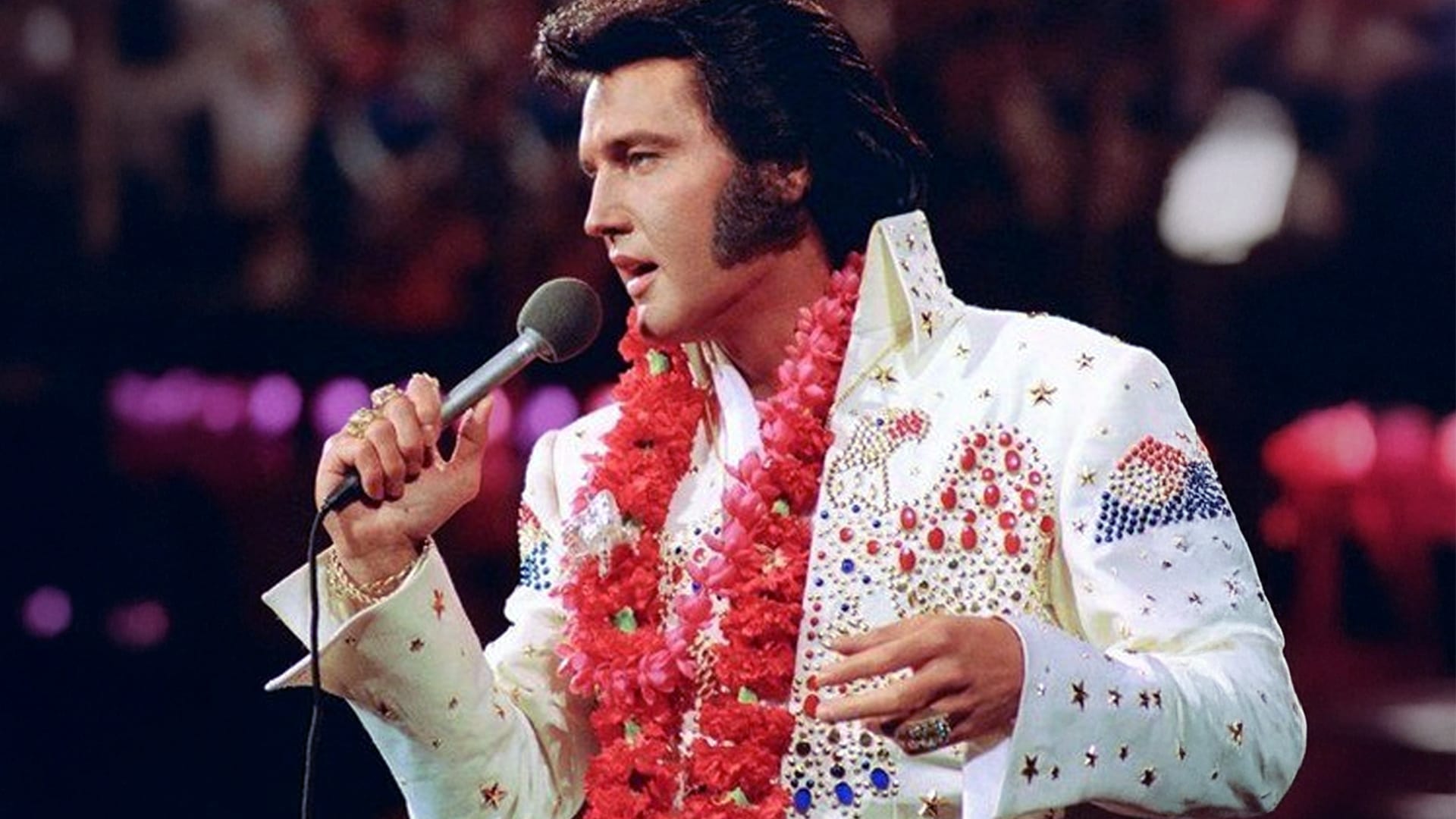
The arrangement itself deserves recognition for its understated elegance. Rather than overwhelming the listener, it gently supports the vocal performance, allowing Elvis’s voice to remain at the center. This balance creates a listening experience that feels almost conversational, as though the singer is speaking directly to one person rather than performing for a crowd.
In revisiting Your Love’s Been A Long Time Coming, one is reminded that not all great songs demand immediate attention. Some reveal their beauty slowly, rewarding those who return to them with patience and an open heart. It is in this quiet space that Elvis Presley once again proves why his legacy endures—not only in the songs that shook the world, but also in those that chose to whisper instead.